Procedure
Political and legal entities need procedures, and they need to comprehend their limits.

In our legal system, we divide cases into two large classes: Civil and Criminal. Civil law is intended to be mostly curative. Criminal law is aimed at punishment of past acts and deterrence of future acts. In our legal practice here in the US the Civil and Criminal systems are almost entirely separate.
Should our American Tribunal retain that hard distinction between Civil and Criminal?
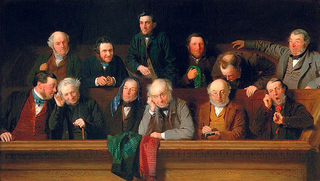
A looming question: should these trials be decided by a judge (or panel of of judges) or a jury?

The Constitution of the United States, along with centuries of statutes and judicial case law, has created many protections for those who are accused.
There seems to be no reason to disregard that history; however, given the evidence-hiding opportunities that were available to the defendants, perhaps some rules may need to be modified or relaxed.
Many defendants will have significant worldwide assets. These defendants may be significant flight risks.
We can anticipate that many of the events of interest will be complex.
Investigation will be difficult. And much will be hidden around the world, beyond United States jurisdiction.
Cases will often be complex. Many of the Trump/MAGA crimes are financial, with diffuse links between quid and pro. Asset values may be soft, documents may be in several languages, and there may be multiple steps between a causative act and its result. We can anticipate large battles over admissibility, meaning, and weight of proffered evidence.

Western systems of justice have complex systems through which a defendant can appeal procedures, findings, and judgments. In some cases, these appeals drag on for years while justice is diluted and even erased.
Should this American Tribunal have an appellate process? This writer believes the answer must be "yes". However, at the same time, this writer believes that appeals processes must be quick and effectively final.

During the pre-trial investigations and during the trial, the Tribunal may issue orders. Sometimes those orders will be ignored in full or in part.
After the Tribunal renders its judgements, comes the time for appeals and, ultimately, enforcement of those judgements.
Some parties and defendants may acquiesce with grace. Others may not.
It is more than likely that there will be difficulties. At those times the court must have means to enforce its orders and judgements.